How Often Do You Need to Change Your Transmission Filter?
 Maintaining your vehicle’s transmission is crucial for its longevity and performance. The transmission filter is a key component that requires periodic maintenance. It helps ensure cleaner transmission fluid is running through the system to provide important lubricating and hydraulic properties. But how often should you change your transmission filter? Here are some of the things you need to know:
The Importance of Transmission Maintenance
The automatic transmission is one of the most complex and essential parts of your vehicle. It’s responsible for transferring power from the engine to the wheels, allowing you to change speeds smoothly as it shifts from one gear to another. Regular maintenance of your transmission can prevent costly repairs, improve automotive performance and extend the life of your vehicle.
Regular Fluid Checks and Changes
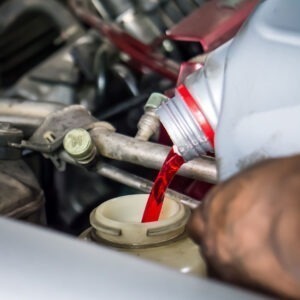
Transmission fluid is the lifeblood of the transmission system. It lubricates the moving parts, cools the transmission and provides the necessary hydraulic pressure to shift gears. Over time, the fluid can degrade, become contaminated and lose its effectiveness. Therefore, it’s important to regularly check the fluid level and condition. Typically, you should change the transmission fluid every 30,000 to 60,000 miles, but the recommended mileage can vary depending on your vehicle and driving conditions.
Changing the Transmission Filter
The transmission filter is designed to capture contaminants and debris that can accumulate in the transmission fluid. If the filter becomes clogged, it can restrict the flow of fluid and lead to poor performance or even damage the transmission. Generally, it’s recommended to change the transmission filter in conjunction with fluid changes. A standard transmission service at Ralph’s Transmission involves changing the fluid and filter, along with a basic transmission inspection and replacing the pan gasket if it is worn.
Replacing the Worn Pan Gasket
When changing the transmission fluid and filter, it’s also a good idea to inspect and replace the transmission pan gasket. The gasket provides a seal between the transmission pan and the transmission housing, helping to prevent fluid leaks. Over time, the gasket can become worn or damaged, leading to leaks that can deplete your transmission fluid and cause significant issues. Regularly replacing the gasket as part of your transmission maintenance can help avoid these problems.
By staying proactive with these transmission maintenance tasks, you can ensure your transmission remains in top condition and minimize the risk of damage that can lead to costly repairs. Always consult your vehicle’s owner manual and follow the recommendations of your transmission care specialist to keep your transmission in optimal health.
If you are overdue for a transmission service in the Central Valley or just want to stop by for a transmission check-up, call Ralph’s Transmission today at 209-526-1909 or schedule your service appointment online.
Contact Us
"*" indicates required fields
Recent Posts
Is Your Truck Hesitating While Driving?
When you press the accelerator, you expect your truck to respond immediately. If it hesitates, feels sluggish or briefly loses power, something isn’t working properly. While hesitation can have several causes, transmission problems should be…
What That Burning Smell Could Mean for Your Transmission
A strange burning smell coming from your vehicle is never something to ignore. While several automotive issues can produce unusual odors, a burning smell from the transmission is often a warning that your transmission needs…
Is Your Transmission Wearing Out Naturally or Because of Damage?
Every transmission experiences wear over time. However, there is an important difference between normal aging and damage caused by overheating, poor maintenance or demanding driving conditions. Knowing which one you are dealing with can help…