What Grinds Your Gears?
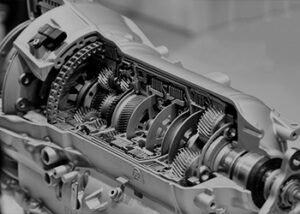 Grinding gears is a common sign that you might have a transmission problems. You can hear—and usually feel—the gears grinding awkwardly when the vehicle shifts from one gear to another. It may be more apparent in certain gears or it may be a constant issue. It can happen in both manual and automatic vehicles. If your gears are grinding or you think you might have some other problem with your transmission, it’s best to take your vehicle to a transmission specialist for a proper inspection and repairs. You may simply be overdue for a basic transmission service or you could have internal damage that needs to be addressed as soon as possible to prevent a complete breakdown.
So, what causes your gears to grind?
Manual Transmissions
Manual transmission vehicles aren’t nearly as common as they used to be. However, there are still plenty out there on the road, with both new and old models. The key to a manual transmission operation is a complex gear system that selects the proper gear ratios every time you manually shift the vehicle. One common cause for grinding gears is a collar that slides over the end of the gear. If it collides with the end of the gear, it causes the gear to turn at a rate that’s different from the shaft. This is what leads to grinding gears and potential damage to the gear system if left ignored. If grinding gears is a consistent problem in your manual transmission vehicle, you will want to get it checked out and repaired/adjusted to prevent larger issues. Other potential manual transmission problems can include:
- Low/Contaminated/Old Transmission Fluid
- Gear Damage
- Clutch Damage
If grinding gears only happens from time to time (with no consistent pattern of shifting between certain gears), it may simply be user error. Even the best drivers can get a little sloppy with the clutch and shift stick every once in awhile. If it happens a lot, definitely try to be a little more smooth and gentle during shifting to prevent causing damage to the transmission.
Automatic Transmission
Grinding is more common in manual transmission vehicles, but it can happen with automatic transmissions, as well. It is usually a clear sign that there is an internal transmission problem. In many cases, it is simply an issue with the transmission fluid. It may be low, old, dirty or contaminated. Bad fluid will generally lead to various shifting issues, including the possibility of grinding gears. The problem could also be a chipped or cracked gear, or it might be something wrong with your torque converter. If it isn’t working properly, you will definitely start to notice the vehicle isn’t shifting smoothly. It may grind between certain gears, or it might slip in and out of gear.
If your gears are grinding or you think you might have some other sort of transmission problem, contact the Central Valley transmission repair specialists at Ralph’s Transmission. Call us today at 209-526-1909 or schedule your service appointment online.
Contact Us
"*" indicates required fields
Recent Posts
Is Your Truck Hesitating While Driving?
When you press the accelerator, you expect your truck to respond immediately. If it hesitates, feels sluggish or briefly loses power, something isn’t working properly. While hesitation can have several causes, transmission problems should be…
What That Burning Smell Could Mean for Your Transmission
A strange burning smell coming from your vehicle is never something to ignore. While several automotive issues can produce unusual odors, a burning smell from the transmission is often a warning that your transmission needs…
Is Your Transmission Wearing Out Naturally or Because of Damage?
Every transmission experiences wear over time. However, there is an important difference between normal aging and damage caused by overheating, poor maintenance or demanding driving conditions. Knowing which one you are dealing with can help…