4 Ways to Increase Your Fleet’s Efficiency
For any business that relies on trucks or vehicles to deliver its goods and services, the fleet is the lifeblood of operations. Every minute of downtime is a drain on resources, making fleet efficiency a top priority. At Ralph’s Transmission, we understand that true efficiency isn’t just about speed; it’s about vehicle reliability, safety, and managing the total cost of ownership. We believe in empowering our partners with strategies that turn their fleet maintenance programs into a competitive advantage.
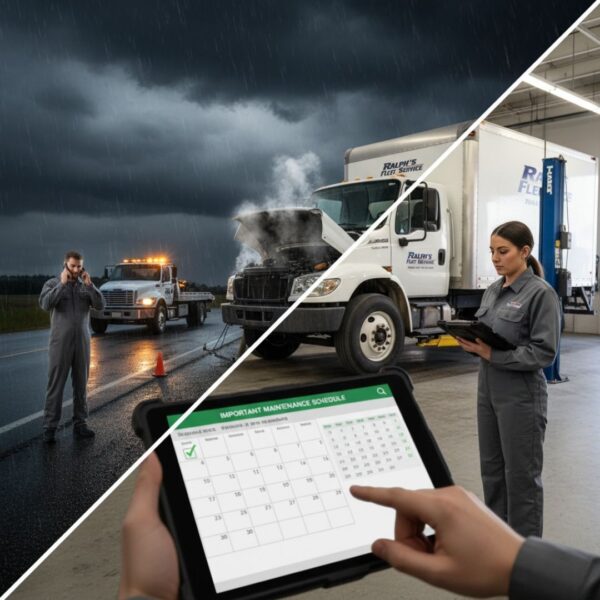
Shift from Reactive Repairs to Proactive Maintenance
Waiting for a breakdown before scheduling service is the most expensive way to manage a fleet. A reactive approach leads to costly towing, emergency labor fees, and significant losses from unfulfilled contracts. Implementing a rigorous, mileage-based preventative maintenance schedule for your entire fleet is crucial. This proactive strategy allows us to spot minor issues, like a fluid leak or a worn filter, before they snowball into major, days-long disasters.
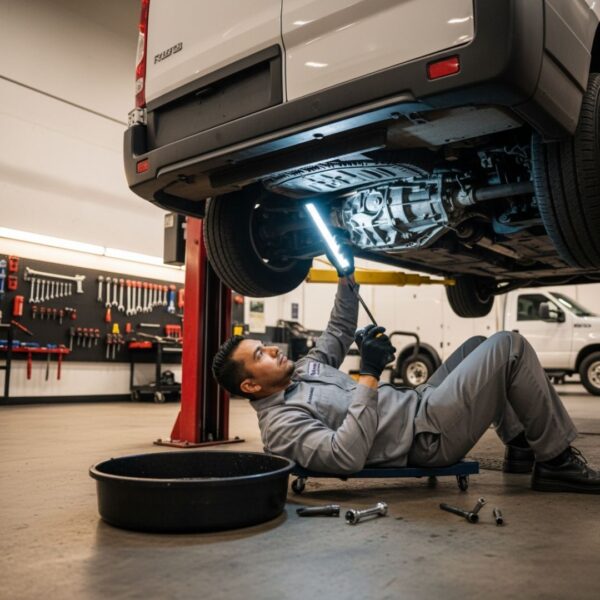
Prioritize Drivetrain Health for Consistent Performance
The drivetrain—which includes the transmission, differentials, and transfer case—is the system that transfers power to the wheels. Given the heavy-duty demands placed on most commercial vehicles, this system is a common point of failure. Investing in specialized drivetrain vehicle repair and maintenance is not a luxury; it’s a necessity. Ensuring these components are properly serviced guarantees optimal power transfer and helps to reduce excessive fuel consumption caused by mechanical drag.

Leverage Vehicle Data to Inform Your Strategy
A smart fleet maintenance company knows that relying on data, not guesswork, is essential for efficiency. Utilizing telematics and detailed service records allows us to track wear-and-tear trends, fuel efficiency across vehicle models, and the true cost of each vehicle in your fleet. This information is key to making informed decisions about when to pull a vehicle for service, which models to retain, and how to best tailor your fleet repair services to match your actual operational needs.
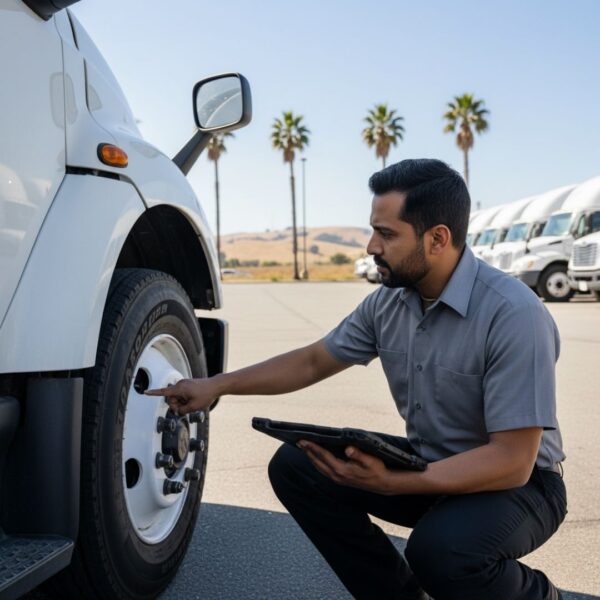
Invest in Driver Safety and Vehicle Management Training
The way a vehicle is operated has a massive impact on its maintenance needs. Hard braking, rapid acceleration, and excessive idling all prematurely age drivetrain components. As part of a comprehensive vehicle management plan, driver training focused on gentle, efficient operation significantly reduces strain on the transmission and brakes. We consistently find that a well-trained driver is the most effective preventative measure against frequent, expensive fleet repair.
Bringing all of these elements together is how we help businesses maximize their profitability and operational uptime. We have built Ralph’s Transmission on a half-century commitment to quality and standing behind our specialized work, particularly for our commercial fleet partners. By implementing a proactive, data-driven strategy and partnering with our experts, you can be confident that your vehicles are safe, efficient, and reliable. Contact us today to discuss how our certified technicians can tailor a specialized fleet maintenance schedule for your operation.
Contact Us
"*" indicates required fields
Recent Posts
Is Your Truck Hesitating While Driving?
When you press the accelerator, you expect your truck to respond immediately. If it hesitates, feels sluggish or briefly loses power, something isn’t working properly. While hesitation can have several causes, transmission problems should be…
What That Burning Smell Could Mean for Your Transmission
A strange burning smell coming from your vehicle is never something to ignore. While several automotive issues can produce unusual odors, a burning smell from the transmission is often a warning that your transmission needs…
Is Your Transmission Wearing Out Naturally or Because of Damage?
Every transmission experiences wear over time. However, there is an important difference between normal aging and damage caused by overheating, poor maintenance or demanding driving conditions. Knowing which one you are dealing with can help…