5 Causes of Torque Converter Failure
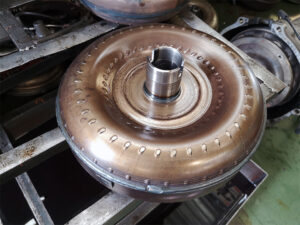 Torque converters play a key role in the operation of automatic transmissions, helping to control the automatic shifting of the vehicle as it accelerates and decelerates. Despite their robust design, they are not immune to failure. Understanding the causes of torque converter failure can help vehicle owners maintain their cars and trucks better and avoid costly repairs. Here are some common reasons why torque converters fail:
1. Overheating
One of the most frequent causes of torque converter failure is overheating. Torque converters rely on the transmission fluid to lubricate and cool their components. When the transmission fluid gets too hot—often due to prolonged carrying of heavy loads or a cooling system failure—it can cause significant damage. Overheated fluid loses its lubricating properties, leading to increased friction and wear on the converter’s internal parts. This wear can eventually lead to total failure.
2. Contaminated or Old Transmission Fluid
Clean and uncontaminated transmission fluid is crucial for the efficient operation of a torque converter. Over time, transmission fluid can become contaminated with metal shavings, dirt, and debris. Or, it simply gets old and loses its viscosity. This degraded fluid can clog the fine passages within the converter and the transmission, hindering proper fluid flow and pressure. This results in poor performance and potential damage to the converter’s internal components. Regular transmission fluid changes and checks can help prevent this issue.
3. Faulty Torque Converter Seals
The seals in a torque converter are vital for maintaining the hydraulic pressure needed for it to function correctly. If these seals are damaged or worn out, fluid leaks can occur. A loss of hydraulic pressure due to faulty seals can lead to a variety of issues, including reduced performance, overheating, and ultimately, converter failure. Replacing worn seals promptly can prevent these problems.
4. Improper Installation or Misalignment
Torque converter failures can also result from improper installation or alignment during repairs or transmission replacements. If the converter is not correctly aligned with the transmission and engine, it can cause undue stress on the converter’s components and the transmission system. This misalignment can lead to premature wear and eventual failure. Ensuring that all parts are correctly installed and aligned by a qualified transmission technician is crucial.
5. Mechanical Wear and Tear
Like any mechanical component, torque converters are subject to wear and tear over time. Internal parts such as the clutch, bearings and blades can degrade due to regular use. They can experience even more strain under harsh driving conditions. Regular maintenance and periodic inspections can help identify signs of wear early and prevent sudden failures.
Torque converter failures can be avoided or mitigated with regular maintenance, proper transmission fluid management, and ensuring that any repairs or replacements are carried out by skilled professionals. Recognizing the early signs of failure—such as slipping gears, shuddering, or strange noises—can also prompt timely interventions. By understanding these common causes, vehicle owners can take proactive steps to keep their torque converters running properly.
If you have a failing torque converter or just want to ensure you are on a proper transmission maintenance plan, contact the Central Valley transmission specialists at Ralph’s Transmission in Modesto. Call us today at 209.526.1909 or schedule your service appointment online.
Contact Us
"*" indicates required fields
Recent Posts
How to Prepare Your Work Truck Transmission for Peak Season
When peak season hits, your work truck needs to perform without hesitation. Whether you’re hauling equipment, towing trailers or making nonstop service calls, your transmission takes on the extra load. At Ralph’s Transmission in Modesto,…
The Differences Between a Rebuild and a Remanufactured Transmission
If your transmission is failing, you’ll likely hear two options: rebuild or replace. When it comes to transmission replacement, you also have options: new, used and remanufactured. While all will restore function, there are important…
How Heat Affects Transmission Performance in the Central Valley
If you drive in California’s Central Valley, you know how intense the summer heat can get. What many drivers don’t realize is just how much that heat impacts their vehicle—especially the transmission. At Ralph’s Transmission…